Why A Properly Installed Concrete Slab Is Key To A Stable Home Or Shed
If you’re planning a new build, extension or shed, the slab is one of the most important structural elements on the entire site. It carries the load of the structure, supports internal floors and helps manage movement caused by soil conditions and moisture. When homeowners and builders look for professional concreters in Ballina, it’s often because they know the slab is not an area for shortcuts.
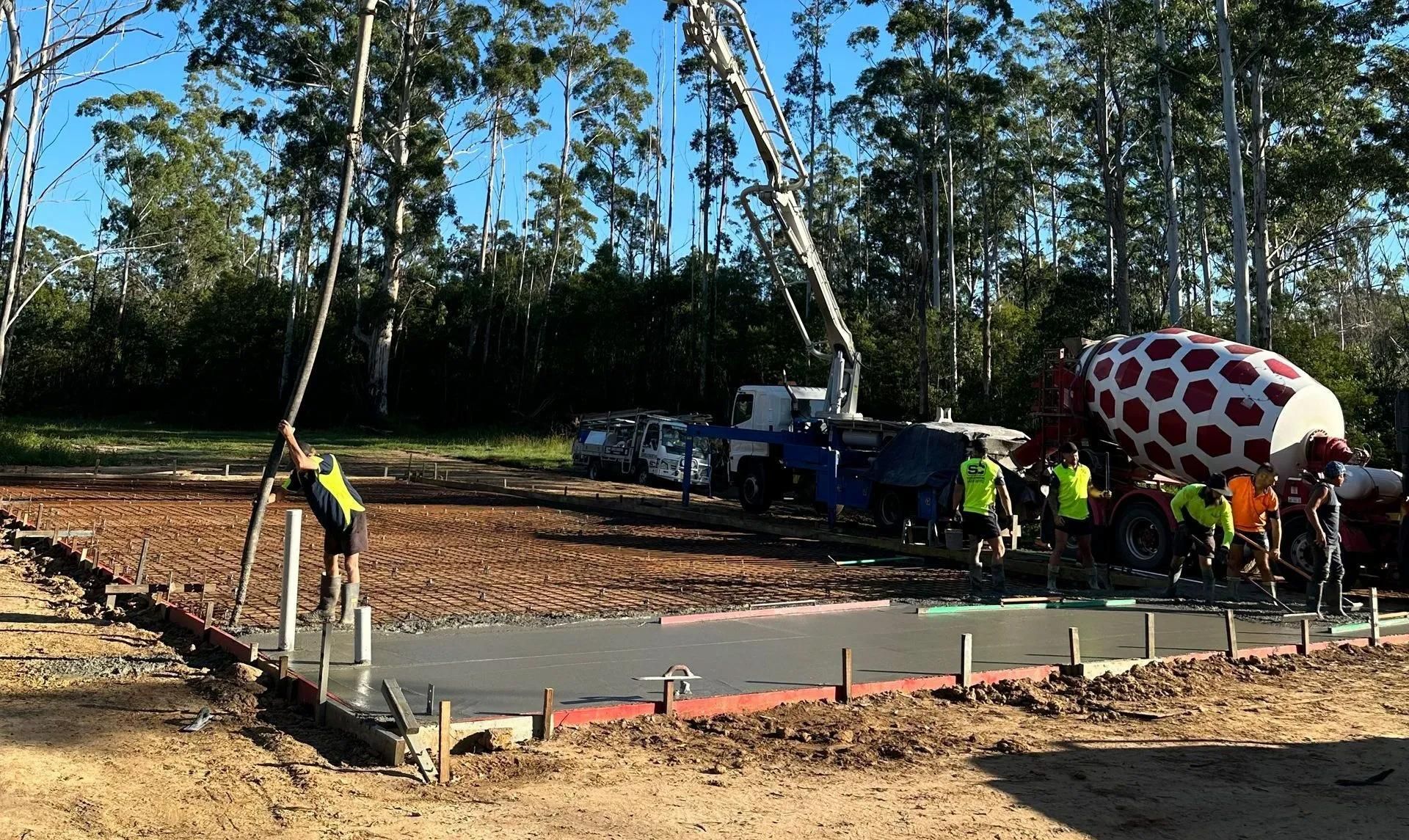
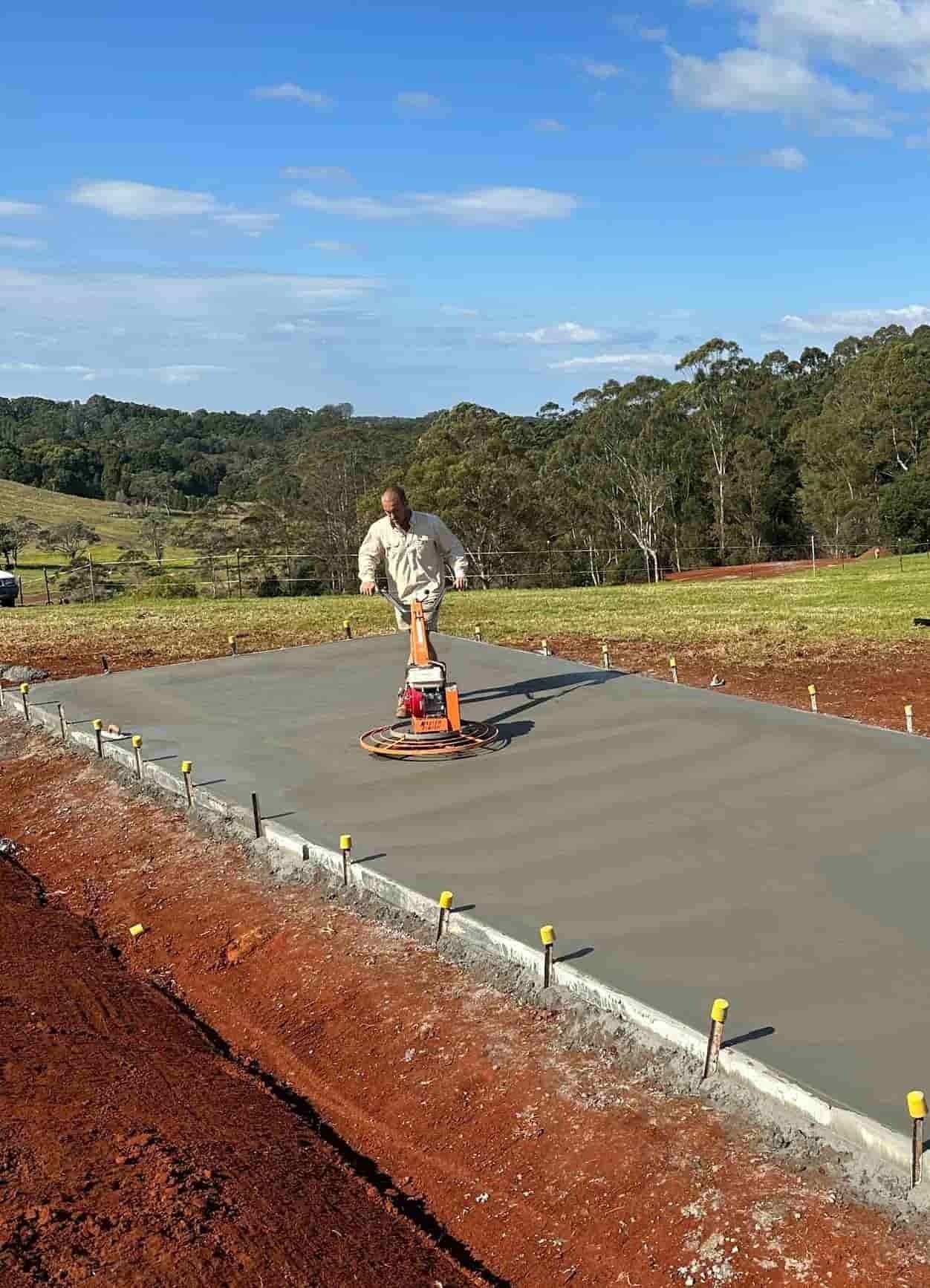
A well-installed concrete slab depends on more than pouring concrete and smoothing the surface. Foundation stability is determined by site preparation, correct reinforcement, accurate levels, curing conditions and workmanship that follows the approved design. Getting these steps right reduces cracking risk, improves load performance and sets the build up for smoother progress.
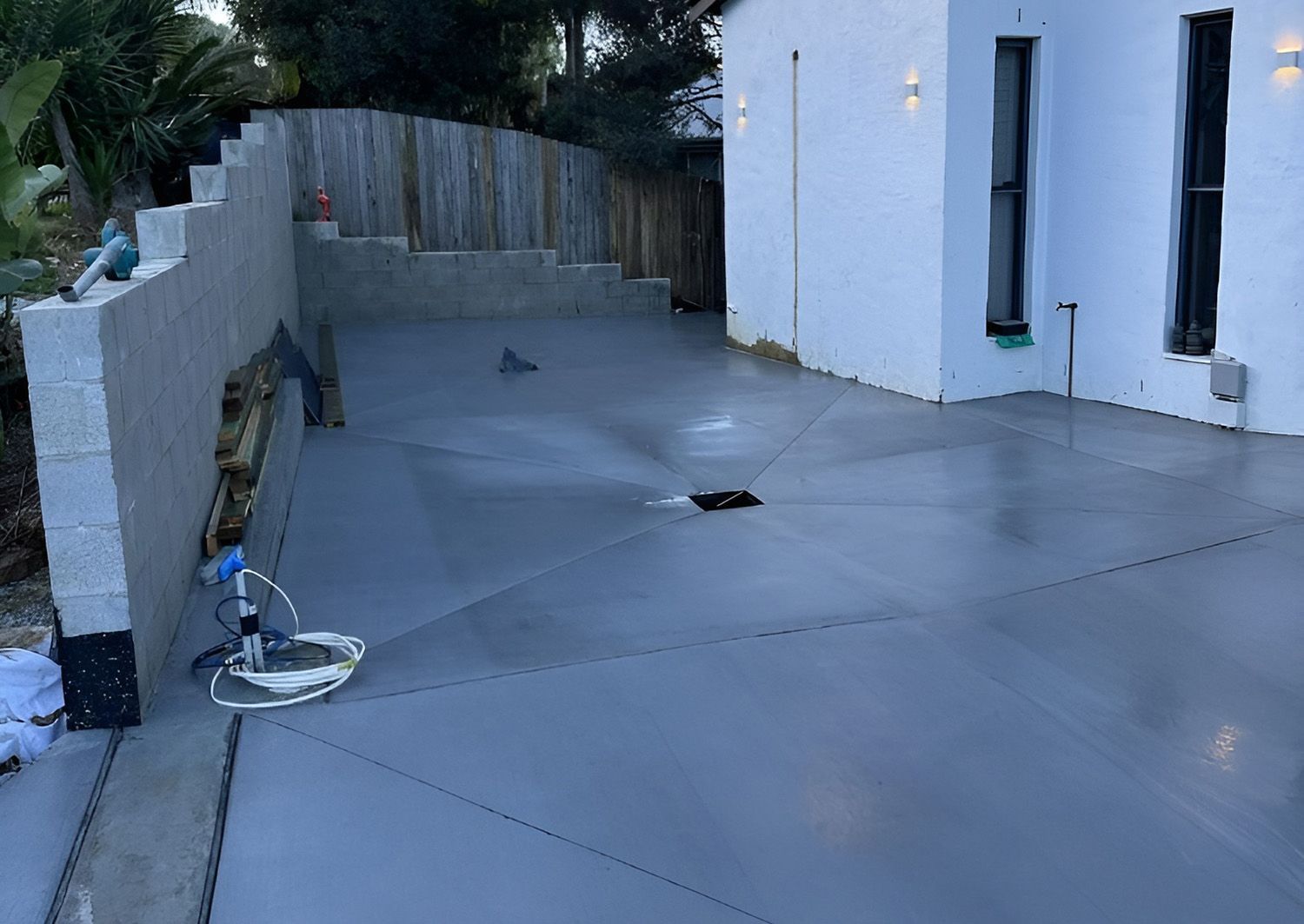
What A Concrete Slab Actually Does
A slab is the base that distributes weight from the structure into the ground. For a home, it supports walls, internal framing and live loads like furniture and appliances. For a shed, it supports point loads from posts, machinery, vehicles or storage racks. In both cases, the slab is part of the structure’s stability system, not just a floor surface.
Because the slab is connected to the ground, it is heavily influenced by soil behaviour. Soil expands and contracts as moisture levels change. Even small movement can translate into stress in the slab and in the structure above it. Proper slab installation is about managing these forces so movement stays within acceptable limits.
Why Site Preparation Matters More Than Most People Expect
The best concrete pour in the world won’t perform properly if the base underneath is not prepared correctly. Site preparation begins with assessing the soil type and the way water moves across and through the site. Poor drainage, uncontrolled fill or uneven compaction are common causes of slab movement and cracking later on.
A stable slab base typically requires:
- Removal of organic material and unsuitable topsoil
- Correct sub-base material where needed
- Compaction to the required standard
- Proper grading and drainage planning
When you engage experienced concreters in Ballina, this groundwork is usually where quality differences show up. It’s also where problems are easiest to prevent, because once the slab is poured, access to the base is gone.
Set-Out, Levels And Thickness Are Structural, Not Cosmetic
Accurate set-out and levels affect far more than how the slab looks. If a slab is out of level, it can create flow-on issues during framing, cladding, door installation and internal finishes. It can also affect stormwater falls in adjacent areas and how water pools around the structure.
Thickness is equally important. Slab thickness is specified for load capacity and site conditions. A thinner-than-specified slab can be more prone to cracking and can reduce the slab’s ability to handle point loads, especially for sheds and garages where vehicles and equipment are involved.
Professional concreters follow plans and specifications closely because a slab is a structural element and must align with engineering requirements.
Reinforcement And Vapour Barriers Are Not Optional Details
Reinforcement is one of the primary controls for cracking and structural performance. Mesh, bar reinforcement and edge beams are designed to manage tensile stress and distribute load. If reinforcement placement is wrong, the slab may still look fine on day one but can develop cracking patterns under load and movement.
Equally important is moisture management under the slab. Vapour barriers help prevent ground moisture from migrating into the slab. In homes, this affects not only the slab but flooring systems and indoor humidity. In sheds, it can contribute to condensation and ongoing damp conditions, particularly if the space will be enclosed or lined later.
This is why experienced contractors treat reinforcement and moisture barriers as core steps, not add-ons.
Curing Is A Key Part Of Strength Development
Concrete does not “dry”, it cures. Strength development depends on moisture retention and temperature conditions over time. Poor curing can reduce surface strength, increase shrinkage cracking and lead to dusting or early wear, especially in high-use areas like garages and sheds.
Best-practice curing may involve membranes, wet curing methods or protective coverings depending on conditions. Timing also matters. Early traffic, early framing load or exposure to heat and wind can compromise the curing process.
Skilled concreters in Ballina plan pours around weather, access and site sequencing so curing conditions are protected rather than left to chance.
Slab Problems Often Show Up As Building Problems
When a slab moves, cracks or is uneven, the symptoms often show up elsewhere. Doors and windows may bind, wall linings can crack, tiles may lift and drainage around the structure may change. In sheds, uneven slabs can create issues with roller doors, machinery placement and water pooling.
Not every crack is a structural failure, but cracking patterns and movement need to be assessed properly. The better the installation process, the lower the chance of a slab causing ongoing building issues.
Why Professional Workmanship Matters For Residential Builds
For homeowners, a slab is typically covered by flooring, framing and finishes, which makes it easy to underestimate its importance. But in practice, slab quality affects the entire build and the long-term performance of the home.
This is where residential concreting needs a methodical approach. It includes careful coordination with engineers, builders and site supervisors, and it requires consistent attention to base preparation, reinforcement placement and curing.
For builders, a slab that is poured correctly reduces delays later. For homeowners, it reduces the risk of ongoing defects that are difficult to resolve once construction progresses.
Choosing The Right Concreter For Your Slab
A properly installed slab comes down to preparation, accuracy and process control. When comparing options for concreters in Ballina, it helps to look for providers who explain their approach clearly and can demonstrate experience with residential slabs and shed bases.
Good communication matters as much as technical skill. You should be able to understand the sequence of work, how the site will be prepared and what will be done to protect curing. A contractor who takes time to explain these steps is usually one who takes them seriously on site.
Book A Slab Installation That Supports Long-Term Stability
A stable home or shed starts from the ground up. The slab supports structural loads, influences how the build progresses and plays a major role in long-term performance. If you are organising residential concreting or a shed slab and want confidence the foundation is prepared and installed correctly, professional support makes the difference.
Hinterland Concreting Pty Ltd delivers high-quality slab preparation and installation with workmanship that suits local site conditions and project requirements. To request a quote or book a slab pour with Hinterland Concreting, get in touch today and discuss your build in Ballina and surrounding areas.