Ways To Protect & Maintain Your Concrete Surfaces
Concrete is one of those materials that quietly does its job every day. It supports driveways, patios, pathways and slabs with ease — until something goes wrong. Cracks appear, stains set-in or the surface starts to look worn. The truth is, concrete is tough, but it’s not maintenance-free. With the right care, it can last for decades while still looking clean and functional.
Many property owners turn to concreters in Ballina for installation, but ongoing care is just as important as the initial pour. Knowing how to look after your surfaces, including how to clean concrete properly, helps protect your investment and keeps everything in good condition long-term.
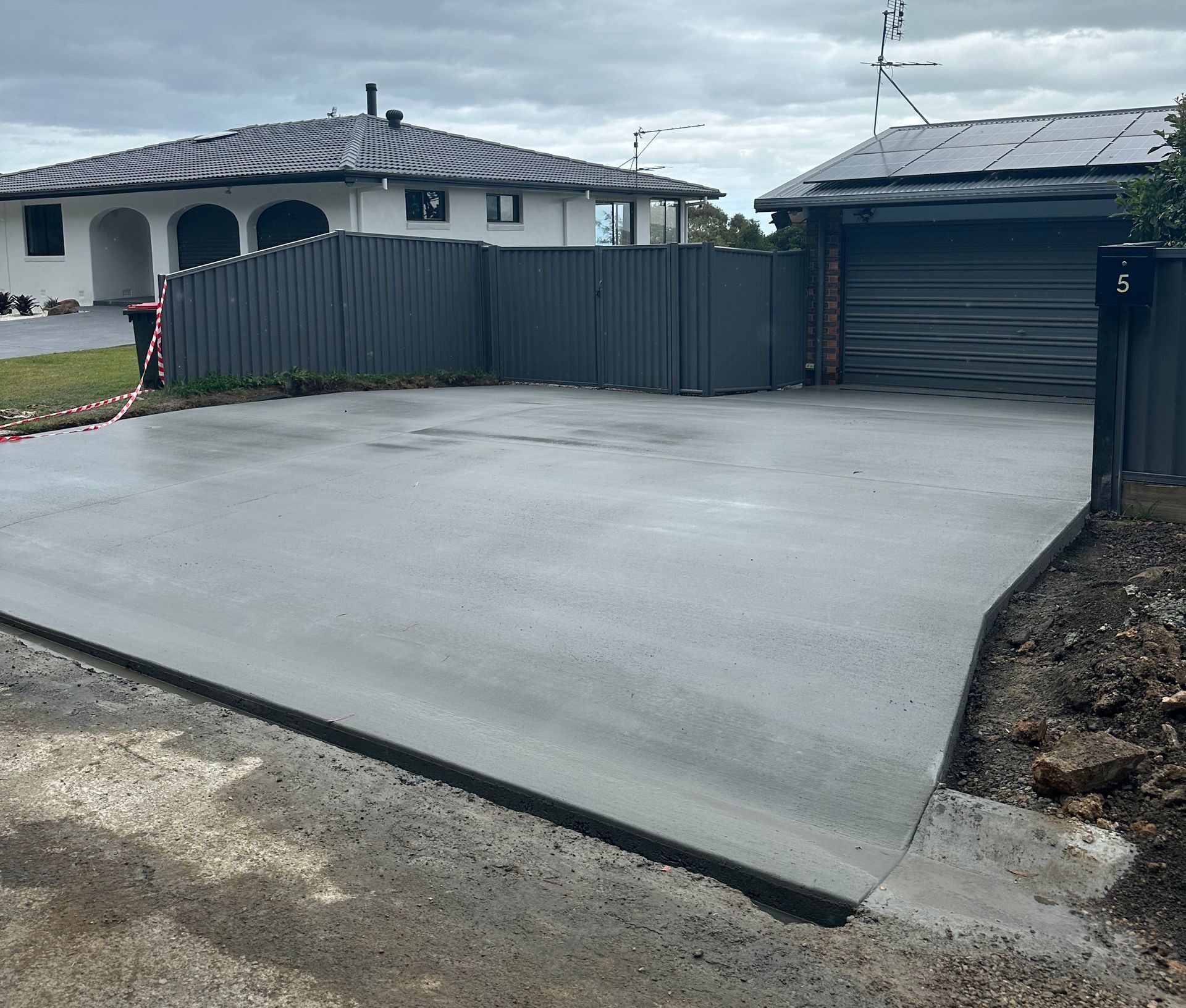
Start With a Proper Cleaning Routine
The foundation of good concrete maintenance is regular cleaning. Dirt, debris and organic matter can slowly break down the surface if left untreated.
A simple cleaning routine includes:
- Sweeping regularly to remove loose debris
- Washing with water to clear dust & dirt
- Using a mild detergent for tougher grime
- Rinsing thoroughly to avoid residue build-up
Understanding how to clean concrete correctly prevents surface staining and helps maintain its original appearance.
Seal Your Concrete to Protect the Surface
Sealing is one of the most effective ways to protect concrete. A good sealant creates a barrier against moisture, stains and general wear.
Benefits of sealing include:
- Reduced water absorption
- Protection from oil & chemical stains
- Slower surface wear
- Easier ongoing cleaning
Many concreters in Ballina recommend resealing every few years, depending on exposure and usage.
Address Cracks Early Before They Spread
Small cracks can appear over time due to natural movement or temperature changes. While they may seem minor, they can expand if ignored.
Early crack management helps:
- Prevent water from entering the surface
- Reduce the risk of larger structural issues
- Maintain a smooth, even finish
Regular inspections are a key part of concrete maintenance, helping you spot issues before they become more difficult to manage.
Manage Water Drainage Around Concrete Areas
Water is one of the biggest factors affecting concrete longevity. Poor drainage can lead to pooling, erosion and surface damage.
To improve drainage:
- Ensure surfaces are sloped correctly
- Keep nearby drains clear
- Avoid directing downpipes onto concrete areas
- Monitor areas where water collects
Good drainage supports long-term durability and reduces the likelihood of damage.
Protect Against Stains & Spills
Concrete is porous, which means it can absorb liquids quickly. Oil, grease and chemicals are common causes of staining.
Preventative steps include:
- Cleaning spills as soon as they occur
- Using mats or trays in high-risk areas
- Applying sealants for added protection
- Avoiding harsh chemicals that can damage the surface
Knowing how to clean concrete after spills makes a noticeable difference in maintaining appearance.
Avoid Heavy Impact & Excessive Loads
Concrete is strong, but it can still be affected by heavy impact or uneven loads. Dropping heavy objects or placing excessive weight in one area can cause damage.
To minimise risk:
- Avoid dropping heavy tools or equipment
- Distribute weight evenly where possible
- Use protective pads under heavy items
- Monitor areas with frequent vehicle use
These steps help maintain structural integrity over time.
Schedule Periodic Professional Inspections
While regular cleaning and care can be handled at home, professional inspections provide a more detailed assessment. Experienced concreters in Ballina can identify early signs of wear that may not be obvious.
Professional checks may include:
- Surface condition assessments
- Identification of minor cracks or defects
- Recommendations for repairs or resealing
- Evaluation of drainage a& surrounding conditions
This approach supports consistent and effective concrete maintenance.
Keep Surrounding Areas Well Maintained
The condition of surrounding areas can influence how well your concrete holds up. Soil movement, plant growth and debris all play a role.
Helpful maintenance tips include:
- Trimming nearby plants & roots
- Keeping edges clear of soil build-up
- Preventing debris accumulation
- Monitoring ground movement around slabs
Maintaining the environment around your concrete helps protect the surface itself.
Restore Surfaces When Needed
Over time, even well-maintained concrete may start to show signs of wear. Surface restoration can refresh the appearance and improve durability.
Restoration options include:
- Pressure cleaning for deep surface dirt
- Resealing to renew protection
- Minor repairs to smooth out imperfections
- Surface treatments for improved finish
Working with experienced concreters in Ballina ensures restoration is handled properly and aligns with the existing surface.
Keeping Concrete in Good Condition Long-Term
Concrete surfaces are built to last, but they perform best when cared for consistently. From understanding how to clean concrete to managing drainage and addressing small issues early, every step contributes to long-term durability.
By combining regular care with occasional professional support, property owners can maintain both the appearance and performance of their concrete surfaces without unnecessary repairs or replacements.
We at Hinterland Concreting Pty Ltd work with property owners across Ballina to install, maintain and restore concrete surfaces suited to local conditions. If your driveway, patio or slab needs attention or you’re planning a new project, contact our team today to get started and discuss your concreting needs.